Our Publications
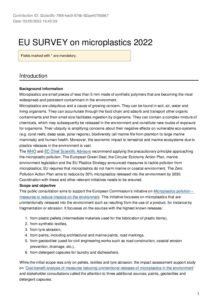
Marine litter and micro-plastics
Microplastics can enter the water cycle in many ways and are not entirely biodegradable. They can accumulate and could pose a threat to our water resources and ecosystems. Control at source is essential for microplastics to prevent them from entering the environment. We need extended producer responsibility. Additional treatment steps exist which will lead to increased tariffs for consumers.
Wet Wipes
Increased treatment to provide consumers with clean water means increased consumer costs.
Phosphorus in Sewage Sludge
Phosphorus is a scarce yet vital resource. Recycling phosphorus from sewage sludge in fertiliser products promotes recycling and is better for the environment.
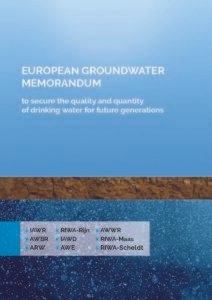
Protection of Groundwater Resources used or suitable to be used for Drinking Water Abstraction
Protecting groundwater sources from contamination is vital for ensuring a supply of clean and safe drinking water for us now and for our future generations. EurEau insists on the proper implementation EU legislation so as to protect health and the environment
Pharmaceutical Residues in Drinking Water Resources among EurEau members
Residues of pharmaceutical products are known to occur widely in the aquatic environment of industrialized countries. The primary path to the environment for human drugs is domestic wastewater. This paper discusses the substances from pharmaceutical residues found in the aquatic environment and their concentrations throughout member states.
The results indicate that the pattern of detectable compounds is quite similar all over Europe. This problem can be solved only on a global scale by promoting international chemicals safety and developing appropriate countermeasures.
DWD Revision Draft – Annex II final
Access to clean water is essential for our health. EurEau members provide consumers with water that meet some of the world’s strictest standards, every day.
Strategic Approach on Pharmaceuticals in the Environment
Pharmaceuticals products are essential to our society’s health and their use is likely to increase in the future due to a growing ageing population. We want to prevent pharmaceuticals from entering the water cycle in the first place. If this is not possible, EurEau insists on the proper implementation EU legislation so as to protect health, the environment and protect consumers from additional costs.
Towards effective Water Safety Planning
WSPs help ensure safe drinking water for all.
Cost Recovery in the WFD – WFD article 9
Customers and citizens need a much greater understanding of the value of water, including water pricing policies and the governance of water services, namely which players are involved, who takes the decisions on how water services are managed and who is responsible for what. Achieving this will help ensure access to safe and sustainable water today and tomorrow.
Right to Water – European Citizens Initiative “Water and sanitation are a human right!”
Water is life. EurEau members provide consumers with water that meet some of the world’s strictest standards, every day. Pricing policies and affordability mechanisms play a fundamental role in this.